Pencils to Pixels to Pop Culture: How Fan Artists Are Quietly Running the Internet
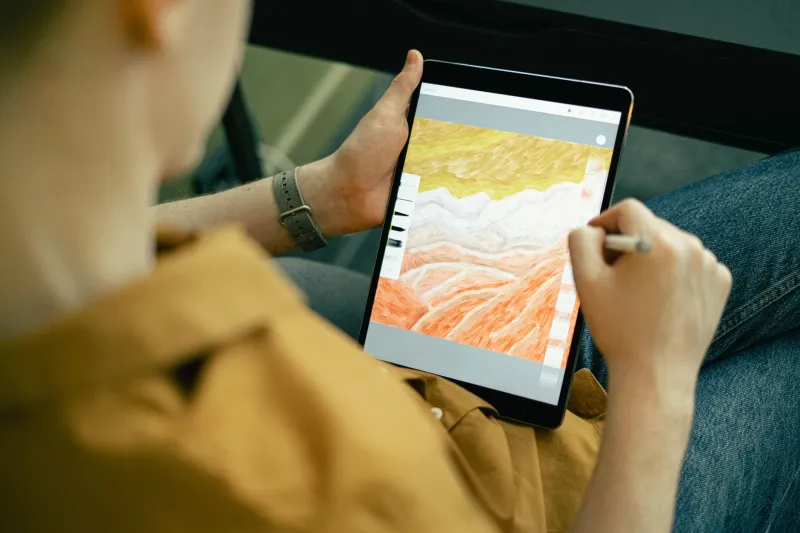
Somewhere between a late-night drawing session and a viral tweet, something shifted. Fan art stopped being a hobby people apologized for having and became one of the most powerful forces in internet culture. If you've spent any time on TikTok, Twitter/X, or Tumblr in the last few years, you've watched it happen in real time — a piece of fan art blows up, spawns a thousand reaction posts, gets screenshotted onto Reddit, and suddenly the showrunners of whatever property inspired it are acknowledging it on air.
That's not a niche thing anymore. That's culture.
The Moment Fan Art Became a News Cycle
Remember when a single piece of Arcane fan art would rack up hundreds of thousands of likes within hours of a new episode dropping? Or how Stranger Things fan illustrators were regularly pulling more engagement than the official Netflix accounts? These weren't accidents. They were the result of a deeply connected community of artists who understood the assignment — and understood their audience — better than most marketing departments ever could.
What changed isn't the art itself. People have been drawing their favorite characters forever. What changed is the infrastructure. Platforms like TikTok gave artists a way to show process, and process is mesmerizing. There's something almost hypnotic about watching a blank canvas transform into a fully rendered character in under 60 seconds. That format turned fan artists into performers, not just creators, and audiences showed up for both the art and the person making it.
Twitter (and now its chaotic successor) gave fan art a natural home in real-time cultural conversation. Drop a clean illustration of a character the morning after a big episode, tag it right, and you're not just sharing art — you're contributing to the cultural moment. The algorithm rewards relevance, and fan artists are almost always first to the scene.
Why Certain Art Takes Off (And Most Doesn't)
This is the part that gets genuinely interesting from a creative standpoint. Not all fan art goes viral, obviously. So what separates the piece that hits 200k likes from the one that gets 40 impressions?
A few things seem to consistently matter:
Emotional specificity. The fan art that resonates hardest isn't usually the most technically polished — it's the piece that captures something exact. A look between two characters. A quiet moment that the show rushed past. A reimagining that says "what if they'd done this instead?" That emotional precision creates a recognition response in viewers. They don't just think "cool art" — they think "someone else felt exactly what I felt." That's shareable.
Timing and cultural fluency. Artists who can read a fandom's temperature and drop something at the right moment — right after a plot twist, right when a ship war is peaking, right when a character gets done dirty by the writers — are tapping into a collective emotional current. It's almost journalistic in its instinct.
A distinct visual voice. The artists who build real audiences aren't just technically skilled — they have a look. You can recognize their work before you see the signature. That recognizability builds loyalty, and loyal followers are the ones who share, comment, and turn your art into a meme template.
The Blurring Line Between Fandom and Canon
Here's where things get genuinely wild: fan art isn't just responding to media anymore. In a lot of cases, it's influencing it.
The Good Omens fandom is a textbook example. Years of fan art and fanfiction exploring the relationship between Aziraphale and Crowley built such a visible, passionate community that the creators couldn't ignore it — and didn't. The show leaned into what the fans were already drawing. Similar dynamics have played out with Supernatural, She-Ra, and frankly most major animated properties of the last decade.
When studios scroll through fan art tags (and they do — their social media teams absolutely do), they're getting real-time feedback on what's resonating emotionally. A character design that fans keep redrawing in creative ways is a signal. A ship that dominates fan art output is a signal. Independent artists, without any official platform or paycheck, are quietly participating in the creative development of the properties they love.
That's a genuinely new thing in entertainment history.
Building an Audience in a Fandom Economy
For working artists — or artists trying to become working artists — the fan art pipeline is one of the most legit audience-building strategies available right now. It sounds almost counterintuitive: draw someone else's characters to build your own brand. But it works, and here's why.
Fandom already has a built-in audience with strong emotional investment. When you make great fan art of something people love, you're borrowing that existing passion to introduce yourself. If your style is compelling enough, people follow you, not just the character. And then when you post your original work, those followers come with you.
A lot of the most successful independent artists online — people with Patreons doing real money, print shops that sell out, commission waitlists months long — built their initial audiences through fan art. It's essentially a calling card that also happens to be deeply satisfying to make.
The key is never losing your own voice in the process. The artists who transition successfully from "fan artist" to "artist with fans" are the ones whose work always felt distinctly theirs, even when the subject matter was borrowed.
What This All Means for Independent Creators
If you're an independent artist trying to figure out where you fit in this landscape, the fan art phenomenon offers a pretty clear roadmap — and a genuinely exciting one. The barriers between niche internet communities and mainstream cultural conversation have basically dissolved. A piece of art made in someone's apartment at midnight can be a trending topic by morning. The audience is there, the platforms exist, and the appetite for this kind of creator-driven content has never been higher.
The internet didn't just give fan artists a bigger gallery wall. It gave them a seat at the table where culture actually gets made.
That's worth picking up a stylus for.