Why Artists Keep Returning to the Same Characters — And What It Actually Means
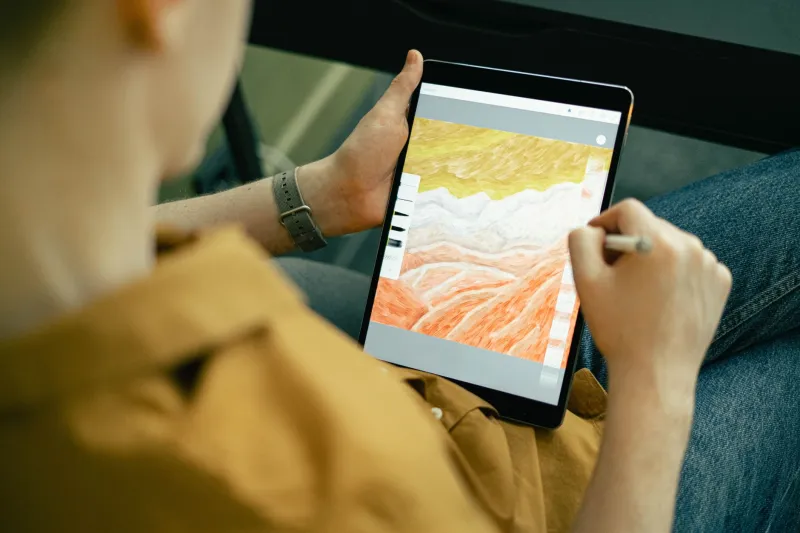
If you've spent any real time following digital artists online, you've probably noticed a pattern. An artist posts a piece they made five years ago next to something they finished last week — same character, wildly different execution. The comments go wild. People lose their minds over the glow-up. But what actually drives an artist to keep coming back to the same well, sometimes over and over throughout an entire career? Spoiler: it's not just about showing off progress.
It's Less About the Character and More About the Artist
Here's the thing — when an artist revisits a subject, the character itself is almost beside the point. What they're really doing is using a familiar anchor to take stock of where they are right now. Think of it like checking your height against a doorframe you've been marking since childhood. The doorframe doesn't change. You do.
For a lot of artists, certain characters carry serious emotional weight. Maybe it was the first piece they ever finished that they were genuinely proud of. Maybe it's a design from a fandom that got them through a rough patch in high school. When they return to that subject, they're not just testing their technical chops — they're having a quiet conversation with a past version of themselves.
This is something that comes up constantly in artist communities on Twitter and Discord. Artists will describe a specific character as their "comfort subject" — something they return to when they feel creatively stuck, or when they want to recalibrate after a period of burnout. The familiar subject lowers the stakes just enough to let them experiment freely.
The Sketchbook You Never Meant to Keep
Here's an angle that doesn't get talked about enough: recurring subjects function as an unintentional visual journal. Unlike a traditional sketchbook, where pages are dated and sequential, these scattered revisits across a career create a kind of time-lapse autobiography.
Look at an artist who has drawn the same original character five or six times over a decade. The first version might be stiff, heavy on outlines, influenced by whatever anime was popular that year. A few years later, the proportions loosen up. The color palette gets more intentional. The expressions start feeling lived-in rather than referenced. By the most recent version, you're not just seeing better technical skill — you're seeing a whole shift in artistic identity.
Viewers who follow an artist long enough start to read these shifts almost intuitively. They notice when a recurring subject suddenly looks sadder, or more confident, or rendered with a tenderness that wasn't there before. It's one of the most intimate things about following an independent artist — you get access to this ongoing, evolving conversation between the artist and their own past.
What Pulls Them Back: The Psychology Behind the Compulsion
So what actually triggers the impulse to revisit? Artists tend to cite a few consistent reasons:
Unfinished emotional business. Sometimes a piece just never felt right. The pose was off, or the color story didn't land, or the artist rushed it and always felt a low-grade guilt about it. Coming back is a chance to finally do the subject justice.
Milestone moments. A lot of artists will deliberately revisit a subject when they hit a new benchmark — finishing an art school program, landing their first commission, hitting a follower count they once thought was impossible. The redraw becomes a way of marking the occasion with something personal.
Fandom resurgence. When a beloved series gets a reboot, a sequel, or a sudden spike in cultural attention, fan artists feel the pull immediately. There's a collective energy in those moments, and revisiting a character from that universe is a way of participating in the conversation.
Pure creative curiosity. Sometimes it's simpler than any of the above. An artist just wants to know: can I do this better now? Not out of dissatisfaction, but out of genuine curiosity about their own growth.
How to Actually Read an Artist's Evolution Through Recurring Subjects
If you're a fan trying to understand an artist's development — or an artist trying to make sense of your own — here's what to actually look for when comparing revisits.
First, look at the line quality. Early work tends to be either overly tight and scratchy, or loose in a way that feels uncontrolled. As artists develop, their linework usually finds a middle ground — confident but not rigid.
Next, check the color decisions. Beginners often gravitate toward saturated, high-contrast palettes because they're visually exciting and forgiving of compositional weaknesses. More experienced artists tend to use color with more restraint and intention, using temperature shifts and muted tones to create depth.
Then look at expression and body language. This is where emotional maturity shows up most clearly. Early versions of a character might hit the right general emotion but feel a little generic. Later versions tend to show specificity — a particular kind of tired, or a specific flavor of joy, rather than just "happy" or "sad."
Finally, pay attention to what's left out. Experienced artists know that negative space and simplicity are tools, not limitations. If a later version of a subject feels cleaner and more powerful despite having fewer elements, that's a sign of real artistic growth.
The Viewer's Role in All of This
There's something genuinely moving about being on the receiving end of an artist's recurring subjects. When a creator posts a comparison spanning years of work, they're doing something vulnerable — they're showing you not just where they are, but where they started. For independent artists especially, that kind of transparency builds a connection that polished portfolio work alone never could.
And honestly? That's part of what makes following an independent digital artist so different from consuming work from a studio or a brand. You're not just watching finished products drop. You're watching someone grow in real time, using the same characters and subjects as checkpoints along the way.
So the next time your favorite artist posts a side-by-side of old versus new work, take a second to really look at it. Not just for the technical glow-up — though that's always satisfying — but for everything else the comparison quietly reveals. The shift in confidence. The change in emotional register. The subtle evidence of a whole creative life being lived between those two images.
That's the part that actually leaps off the screen.